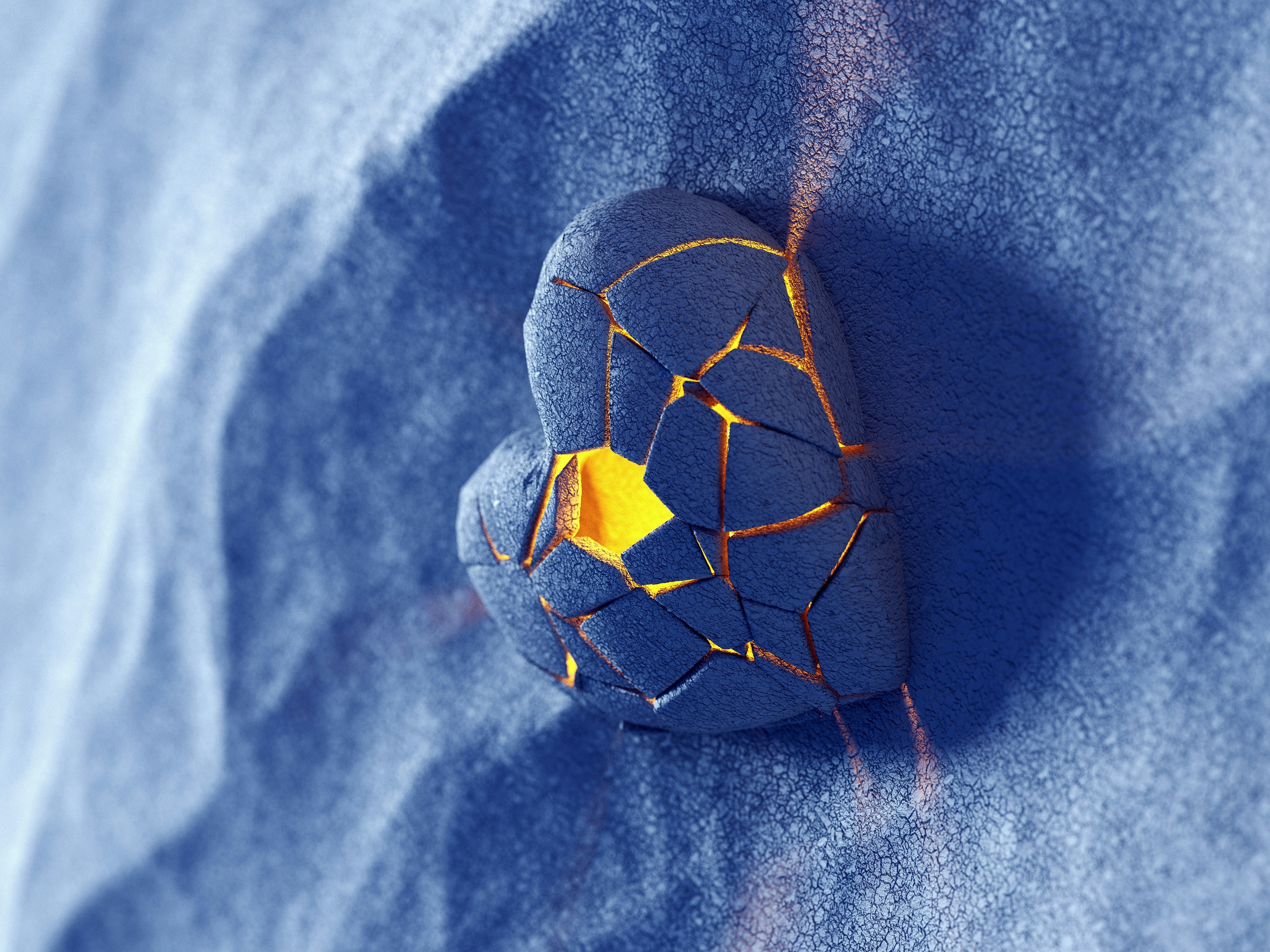
ON BEAUTY

I just finished reading The Mockingbird: The Beauty Issue. (The Mockingbird is non-profit print magazine that Erik subscribes to that I have come to really appreciate.) As I flipped through the pages, a multitude of questions popped into my mind.

What is beauty, really?
What do I believe about it?
Who or what have I allowed to define it?
 
Growing up in the 80s and 90s, I fell into the trap of believing that what I looked like mattered as much as (or more than) anything else.
 
I thought that if I looked “right,” I would be admired. Respected. Loved.
 
The scary thing is that I simply accepted the standard of beauty set by magazines, advertisers, the fashion industry, and Hollywood.
 
I didn’t question it.
I didn’t consider they could be wrong.
I assumed that to be beautiful, I had to conform.
 
So for years I tried, which left me depressed, struggling with my body image, and never feeling good or beautiful enough. But as I read through The Beauty Issue, I began to question my old thoughts.
 
Who is it that says a flat stomach is more beautiful than a round one?
Who says that thin and tall is more beautiful than short and stout?
Who says that long, highlighted hair is prettier than a bald head?
Who says that grey is the best color for my living room walls?
 
More important than “Who says it?” is “Why the heck have I believed them?”
 
Like a flash of lighting, I realized I don’t have to believe it anymore! And then, Romans 12:2 popped into my mind.
 
“Do not conform to the pattern of this world but be transformed by the renewing of your mind.”
 
I’ve spent a whole lot of my years trying to conform to the world’s standard of beauty, and by doing that I’ve actually been a part of the problem.
 
By complimenting people when they lose weight, I’m saying that skinny is beautiful.
By admiring someone’s smooth skin, I’m saying that wrinkles should be erased.
By telling someone how great they look after having Lasik, I’m saying that people who need glasses aren’t as attractive.
 
All this really hit home for me the other day. I was in the car, listening to the radio and a catchy song came on. I started to automatically sing along.
 
I knew all the words.
Verses.
Bridge.
Chorus.
 
But I hadn’t ever stopped to think about what the song was saying on a deeper level. As I listened, I realized the song was all about women dancing for the admiration of men.
 
WHAT?
 
I’m ashamed to admit that I’ve sung along with it for years without ever questioning the lyrics meaning. I’ve bobbed my head to it and tapped my feet. It’s got a good beat. But now I’m realizing that’s not enough.
 
Disgusted with what the singer was saying, I changed the station. But as I scrolled, I discovered most of the hit songs were about lust, sex, and physical beauty. Sometimes it was veiled, but it was always there.
 
So I turned off the radio. I decided that by listening to it and singing along, I was celebrating the lie that what we look like (and who we attract) matters more than anything else.
 
Ok, back to Romans 12:2.
 
I’ve spent too long conforming to this world.
I’ve spent too long letting society tell me who I should be and what I should look like.
I’ve spent too long believing that beauty is finite, when really, it’s infinite.
 
Even though I’ve spent years hearing about the impossible beauty standards our world sets, it’s taken me until middle age to realize that I’ve been part of the problem. By trying to match the world’s standard of beauty, or following trends, or whatever you want to call it, I have actually fostered it.
 
By trying to conform to it, I’ve said that it’s ok. That it’s right.
 
I don’t want to live that way anymore.
I don’t want to let the world tell me who I should be or how I should look.
I don’t want to keep nurturing a false ideal of beauty.
 
Instead, I want to celebrate the things that God says are beautiful. That type of beauty is nothing like what you’ll see on Instagram or TikTok. It won’t be on the cover of People magazine.
 
It’s too vast.
Too infinite.
Too  varied.
Too real.
 
True beauty includes bruises and blood.
Tears and sweat.
Broad smiles and chipped teeth.
 
Most importantly, it goes beyond what you see.
 
Rewriting my definition of beauty isn’t easy. I can already see that I have a long way to go. But I’m grateful that it’s starting and I’m grateful that The Mockingbird spent the time and money to put out a magazine that’s helping rebellion bloom in my heart.
 
I have a choice.
I get to choose to turn off the radio.
I get to choose to put down the magazines.
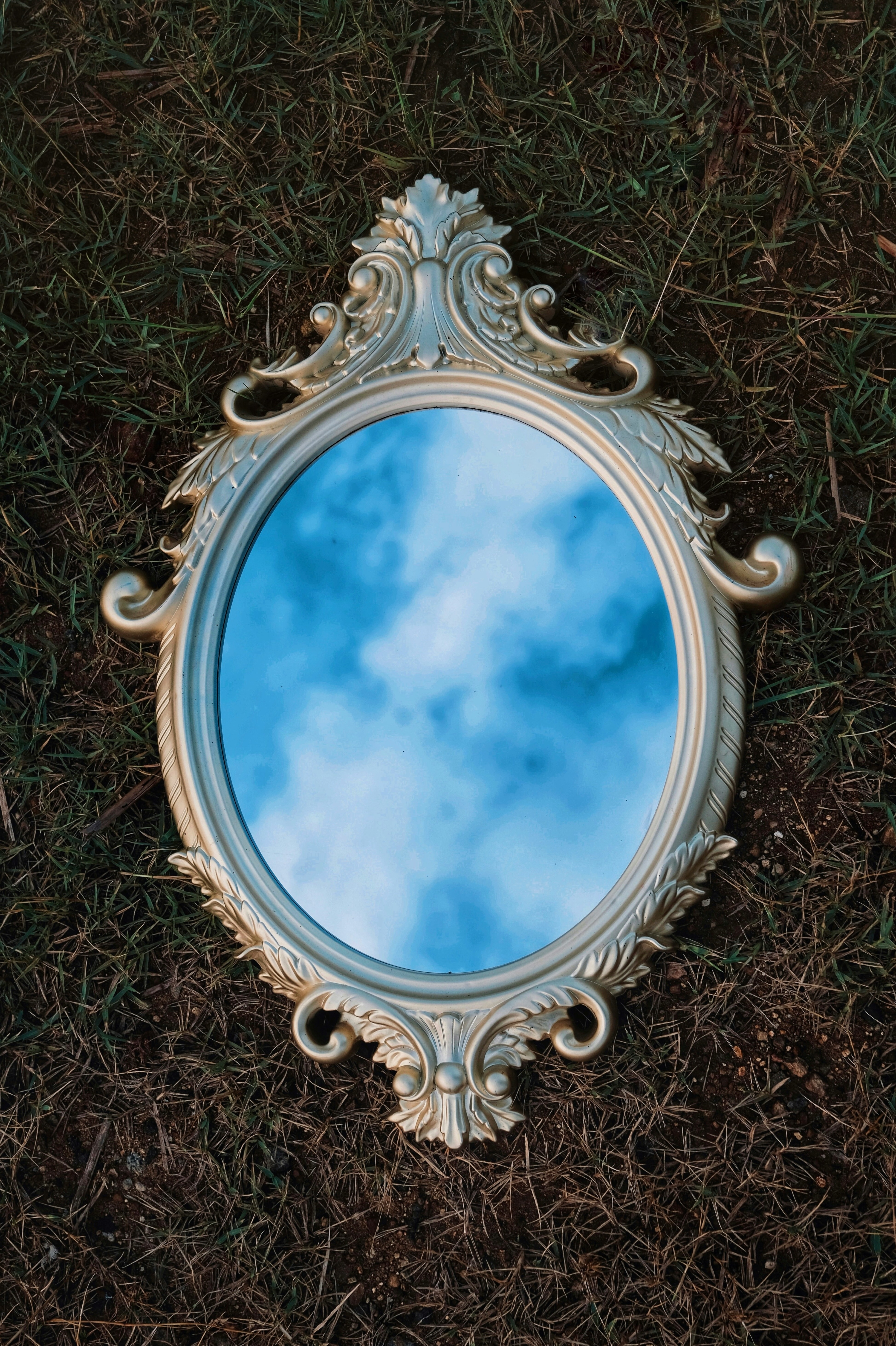
I get to choose to stop scrutinizing myself in the mirror.
 
You have a choice, too.
 
I know I’m not the first to recognize this problem. Just last month, I went to see the musical Hairspray  with some friends. It’s based on a 1988 film, and the storyline proves that people have been talking about (and wrestling with) false beauty standards for decades.  My prayer is that those conversations not only continue, but that someday the voices proclaiming real beauty — and all its many definitions — will be the loudest.
 
Following a standard of beauty is just another way of trying to people please, which dims your true beauty.
 
The beauty that God gave you.
The beauty that reflects His creativity and love.
The beauty that He delights in.
 
People will try to take that beauty away from you. They’ll tell you that you should change. Don’t listen. Even if the voice you’re hearing is your own.
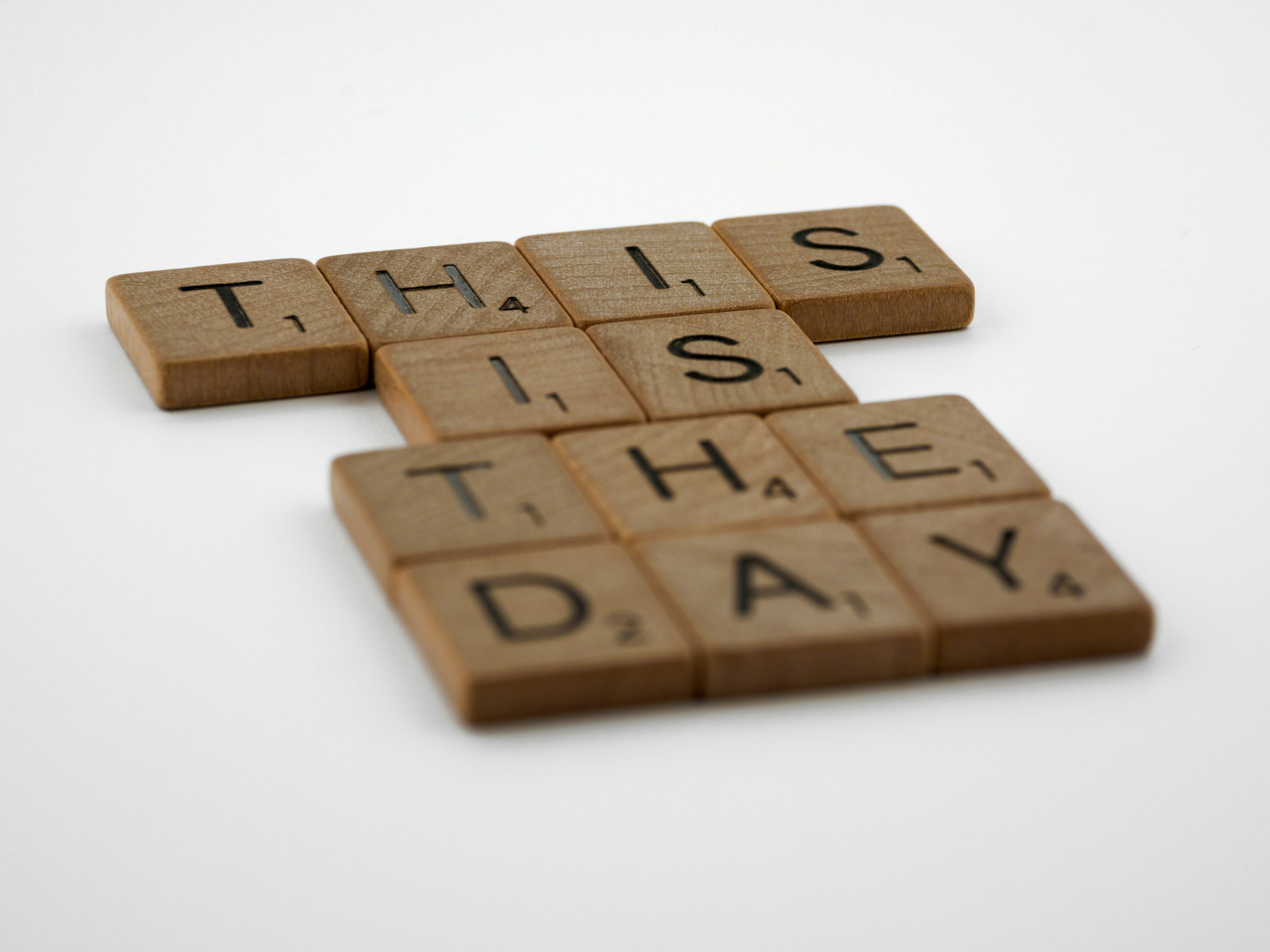
“SOMEDAY” IS TODAY 

Everyone has a corner of their fridge where things seem to disappear. You look and look and don’t see them until they are growing something white and fuzzy or emitting a putrid smell. I’ve been there, too. No judgment here. But, I also have some things hidden in the back of my fridge that I know are there. In fact, I have carefully placed them where they aren’t easily seen because I’m saving them. 

Now, there is a time and place for saving things. But I’m learning that most of the time, it’s better to enjoy them than try to tuck them away for “someday.”

Case in point: a half-full jar of macadamia nut butter that’s in our fridge. We bought the giant jar when we knew we would be leaving Hawaii and moving back to the mainland. We tucked it, unopened, into a box that would be shipped with the furniture, dishes, and books we couldn’t carry on the plane. 

Seems wise, right? Well, we thought so. But if you’re doing the math, you may have realized that that “special” jar of macadamia nut butter is over four years old.

I was so determined to save it for when I really needed it (which is code for when I thought the occasion was special enough) that it has gone rancid and become inedible. 

By attempting to save it for “someday” I have wasted it. And that’s got me thinking about the scarcity mindset that I far too often live in. The scarcity mindset tells us that there’s not enough to go around so we have to hold tight to what we have. It tells us that God’s love and provision isn’t enough so we have to grab whatever we can and horde it away so we don’t have to trust Him, or anyone else. 

The scarcity mindset tells us it’s protecting us, but really it’s robbing us. Grace Leuenberger, on her Substack, wrote about it this way: “I have had a scarcity mindset that has, at times, led to deep skepticism and distrust, and robbed me of gratitude and honestly, joy.”

She goes even deeper, tying that scarcity mindset to her faith, and how at times she hasn’t believed that God’s grace is enough. 

Ouch. That stings.

How long have I treated God’s grace like my jar of macadamia nut butter? How often have I tucked it away, trying to save it for when I really need it, rather than enjoying it — and sharing it — here and now? 

As I throw away my rancid jar, I’m realizing that this isn’t how God wants me to live. Instead, He wants me to live by faith. He wants me to trust Him enough to enjoy the goodness He has given me today, without fear that it will run out. And I’m realizing I want to live that way, too. 

I’ve been so busy living for “someday” that I missed the fact that “someday” is actually today. 

Erik and I are going to visit Hawaii in a couple of months and we’re planning to bring back another jar of macadamia nut butter. But this time, I’m going to enjoy it. 

I’m going to lick if off the spoon.

Drizzle it on pancakes. 

Smear it on homemade bread. 

And I will thank God for every bite, knowing that if I run out tomorrow, it doesn’t matter, because today it was more than enough. After all, today is the day that the Lord has made. Let us rejoice and be glad in it. Psalm 118:24

BLACKBERRY SEASON

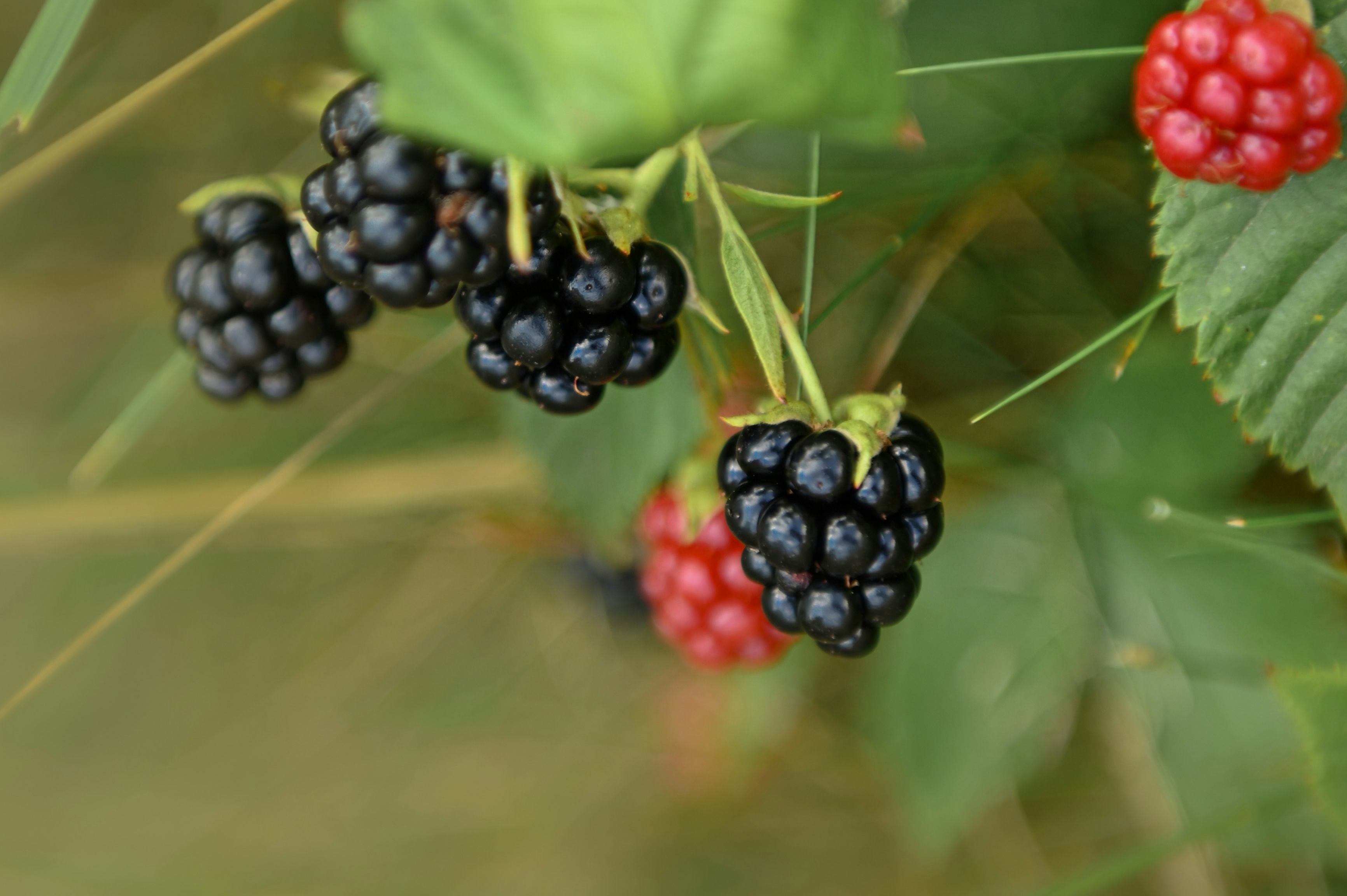
Yesterday, I did what I’ve done since I was a little girl. I opened the cupboard, pulled out a Tupperware container, slipped on my shoes and went to pick blackberries. And for the briefest moment, I was child again.
 
It was a sunny afternoon, and I might as well have had braided pigtails and jelly sandals on, for how my body remembered to squat low and look under leaves for the juiciest berries. I’ve picked blackberries from random roadsides since I could walk. They are one of the joys of summer in the Northwest, and something that I deeply missed when we lived in Hawaii.
 
Sure, we could get blackberries, but they were usually at least $8 a container and would mold practically overnight. Plus, they just never tasted as good as the roadside berries I was used to. The ones that were warm from the sun and practically melted on my tongue.  
 
Our first summer back, I delighted in picking multiple containers of them, not sure what I’d use them for, but amazed at the bounty. Since then, I haven’t been able to stop thinking about the magic of blackberry season, which starts well before the first berry can be plucked.
 
In fall and winter, the vines die back, then in the early spring the begin to climb and stretch. Early summer brings white blossoms, which gradually transform into green berries. Those green berries slowly redden and then turn to a purple so deep that it appears black.
 
Our daily walking route passes multiple berry patches, so Erik and I have been watching and waiting for them to be ready for weeks. The first few we tasted in late July made us pucker. But now, now they are perfect. And that brings me back to yesterday.
 
As I dropped berry after berry into my container and watched it fill, I was struck by two things.
 
First, the resilience of these berry plants. They are cut back, stomped on, sprayed with chemicals, and still find a way to thrive. (I do know that most of them are Himalayans, an invasive variety, but I’m not going to get into that today.)
 
What might I learn from watching these berries persist year after year, producing fruit because it’s what they were created to do? They don’t care that they are sometimes unwanted. They don’t care that they are scorned. They just go on doing what they were created to do – producing the fruit they were meant to produce.
 
The second thing these berries are teaching me is to be awed by the beauty — and bounty — of God’s provision.
 
No person works to produce these fruits, and we don’t do anything to deserve them. Yet, they are there, vines heavy with berries. The abundance is so astonishing that even after my container is full, I struggle to turn away. There are still so many good ones. So much deliciousness just waiting to be enjoyed.
 
As I slip a warm sun-warmed berry between my lips, I think back to my childhood and the countless number of buckets, jars, and containers my family and I have collected over the years. Back then, the picking was unhurried, but as soon as we got home, the action would start. Immediately, my mom would start washing the berries and then begin to transform them into  jam, fruit leather, and cobbler. Entire gallons would be tucked into the chest freezer in the garage to be made into pie, more jam, or muffins throughout the year ahead so that we would get to taste summer’s sweetness on the coldest of winter days.
 
Where I live now, there are blackberries everywhere, just like there were in the neighborhood I grew up in.
 
They are abundant and endless.
Resilient and determined.
Just like God’s love.

IT STILL HURTS

Erik and I have a very sweet 12-year-old in our lives who we love. This year she got braces. Now I never had braces, by my older sister did, so I know a little about them — and living with people who have them.
 
There are restrictions on what you can eat.
You have to floss your teeth with a special tool.
And every few weeks the braces are tightened or a thicker wire is put in.
 
There’s pain in the process. How could there not be? The braces are designed to reform your entire mouth. It’s done slowly, I assume in part of minimize pain, but still, the pain is there, and after the last appointment, the sweet 12-year-old was not happy.
 
Ice cream wouldn’t help.
Shopping couldn’t take the ache away.
She had to just sit with it.
 
In the midst of her pain, her dad texted Erik and I and told us she wasn’t feeling well and was quite uncomfortable. So we did the only thing we could think to do. We prayed.
 
Afterward, we texted her dad back to tell him we’d prayed for her, and he passed the message on to her. About two minutes later, both Erik’s and my phones buzzed.
 
“I told her you prayed for her,” her dad wrote. “She said, ‘Well, I don’t feel any better!”
 
We burst out laughing. The text message emojis flying back and forth on the group chat.
 
But as I laughed, I also felt a little jealous. Not of her pain, but of her ability to say how she truly felt, without pretense, and presumably without fear of what we thought of her response.
 
I think God wants the same kind of relationship with us. He wants us to feel loved enough and safe enough to tell him how we feel. How we really feel. Without lofty words, without unnecessary fluff. After all, in Matthew 6:7-8, Jesus tells us as much.
 
“And when you pray, do not keep on babbling like pagans, for they think they will be heard because of their many words. Do not be like them, for your Father knows what you need before you ask him.” (NIV)
 
God knows what I need.
He knows what you need.
He knows what that sweet little 12-year-old needs.
 
He doesn’t need us to come to Him with eloquent essays or a list of arguments as to why He should answer our prayer. Instead, He wants us to just come to Him and tell him how we feel. And that means at times, “But Lord, it still hurts!” is the truest and most beautiful prayer I — or you — could ever pray.