There’s a dead-end street I like to walk down by my house.
It’s quiet. There are lots of trees, few cars, and birdsong.
It ends by a cattle ranch. The rancher, still in his 80s, inspires me.
Everyday he’s out there, on his golf cart or his tractor, staying active, working hard.
I don’t know much more about him, but his property is beautiful. One day, he invited Erik and I up on his deck so we could see his herd.
Green pastures and rolling hills filled my vision. Cattle dotted the grass.
I could tell he was proud.
Proud of the land he’d cultivated.
Proud of the animals he raised.
Proud of the life he’d built.
He’s lived in that same house, on that same land, for decades. Viewing the property from the street, it’s nothing special.
The red paint is dulling.
The fence posts have some cracks.
The blackberries on the edge of the property look like they are poised to take over the barn where the golf cart gets parked.
Yet there’s beauty and natural peace to it that would be hard to find just half a mile away, where the forest has been replaced with hundreds of apartments.
This contrast is why I love this town.
This little town, with a population of 19,000, is a complicated mix of new and old. Rich and poor. Urban and rural.
When we first realized God might be moving us here, my first reaction came in a single word.
“Really?”
The word became a prayer.
“Really, God? Port Orchard?”
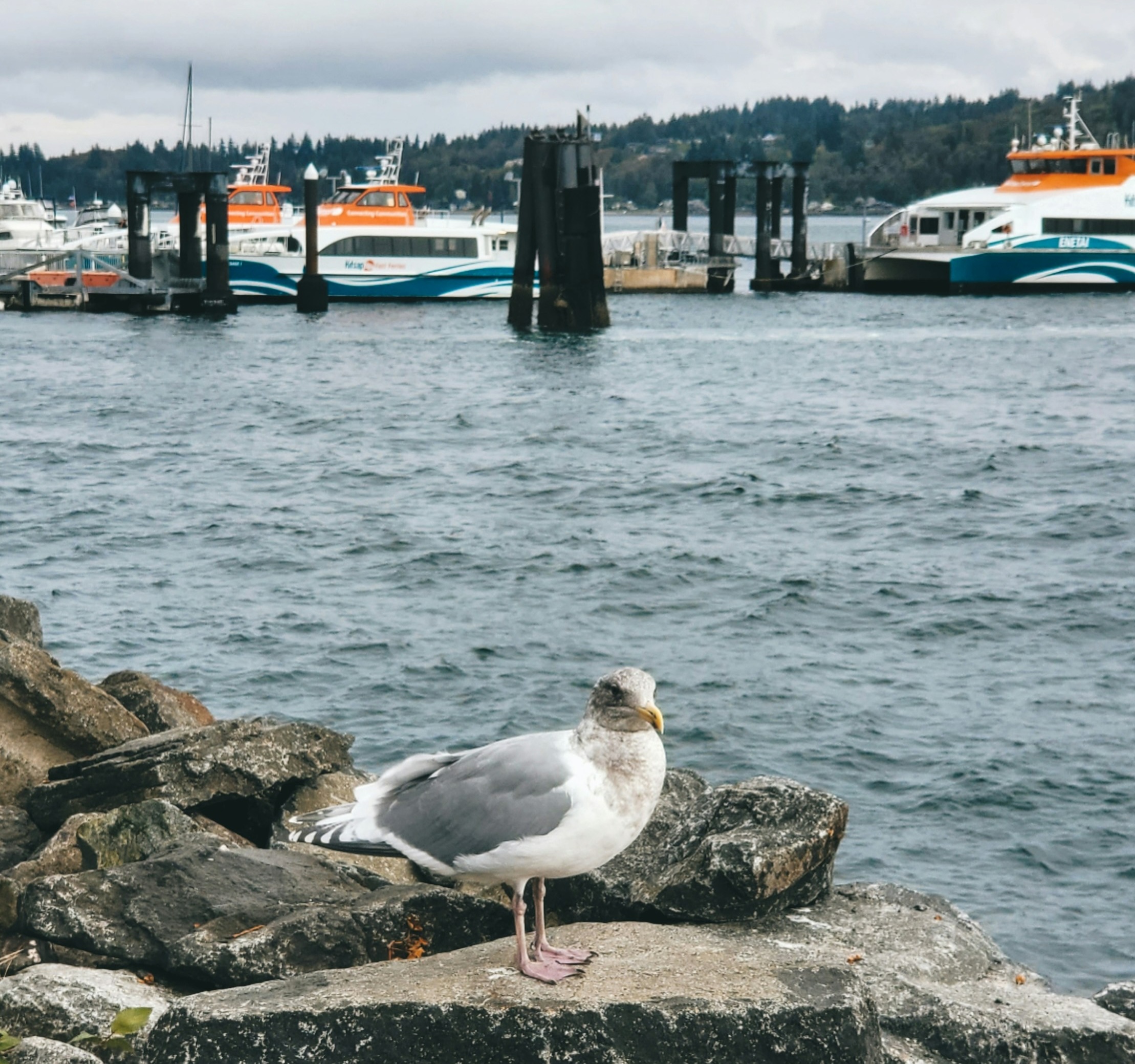
I grew up in the town next door. I’d driven though more times than I can count, usually to get to the ferry dock to ride over to West Seattle to visit family.
But that was the thing, I always passed though. I never stayed.
I knew my hometown. I knew what was there, how I could fit in. But this new place, familiar though it was, felt foreign. Almost a world away.
Then there is the pride factor.
We had just spent over 10 years living in “Paradise.” Was God really going to replace Hawaii with Port Orchard?
Apparently He was.
The first day we visited the church, we didn’t tell people we were coming. We just wanted to see what it was like without “candidating,” which is the ministry term for interviewing.
After the services, we drove along the waterfront of the town. It was May. The sun was bright, the water sparkling, the mountains peaked and majestic in the background.
“I can do this. I can live here. It’s beautiful,” I thought to myself.
It was almost six more months before Erik was hired. And another four before we moved into our rental house near the ranch.
Now, four years later, I still miss Hawaii desperately. But I also have come to love it here.
It feels like this town in some ways is like me.
It’s trying to stay relevant while not losing the core of what it is.
It’s modernizing restaurants next to buildings that have seen more northwest storms than the current weather man.
It’s rural. There is farmland with horses, large gardens, ducks, sheep, and cows. There’s even a camel.
But it’s also just a 30-minute ferry ride from downtown Seattle, with all the hustle and bustle of Pike’s Market, the very first Starbucks, award-winning theatres, street performers, and high-rises full of tech workers.
Port Orchard isn’t trying too hard. But it’s still trying.
There is always construction and traffic is getting terrible.
But I still know my neighbor’s name. I still have plenty of space for raised garden beds.
It’s still so quiet at night that you can hear frogs croaking and the occasional owl hooting.
It’s beautiful in its own way, just like the old ranch, and just like I hope I’ll keep learning how to be.
Now my, “Really, God? Port Orchard?” prayer has become, “Thank you, Lord!”
“Thank you for bringing us to this place.”
“Thank you for putting us so close to family.”
“Thank you for giving us a familiar yet new place to explore.”
“Thank you for the church family we have come to love deeply.”
“Thank you for the home you chose for us.”
“Thank you for knowing what I needed.”
“Thank you for knowing me better than I know myself.”
We’ll be visiting Honolulu soon. It’ll be the first time we’ve been back since we moved. And when we’re there, I’m going to try to cling to my gratitude for my new home, even while I know my heart will be pulled, as it always is, towards the island.