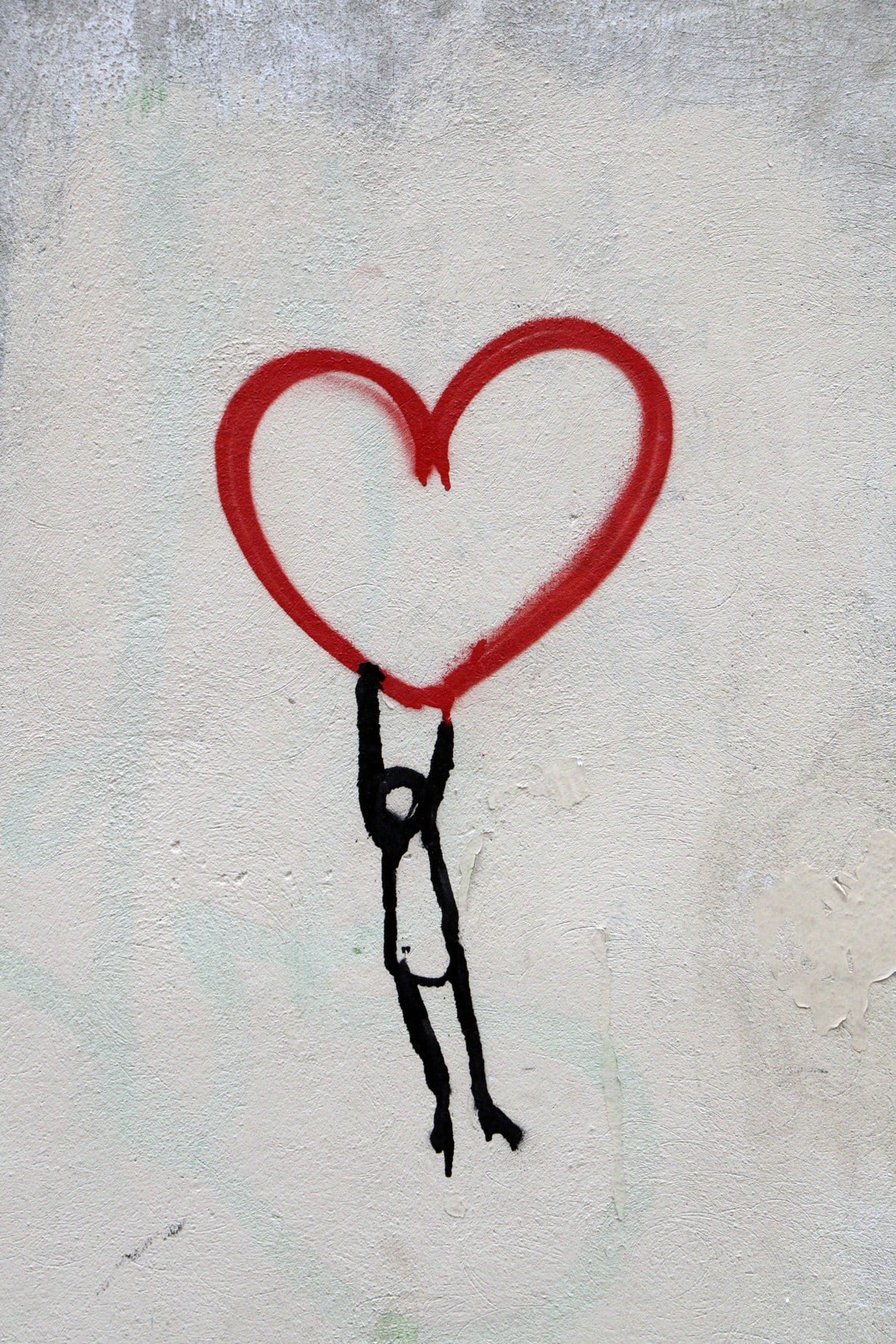
Photo by Habila Mazawaje on Unsplash
I just finished reading The Mockingbird: The Beauty Issue. (The Mockingbird is non-profit print magazine that Erik subscribes to that I have come to really appreciate.) As I flipped through the pages, a multitude of questions popped into my mind.
What is beauty, really?
What do I believe about it?
Who or what have I allowed to define it?
Growing up in the 80s and 90s, I fell into the trap of believing that what I looked like mattered as much as (or more than) anything else.
I thought that if I looked “right,” I would be admired. Respected. Loved.
The scary thing is that I simply accepted the standard of beauty set by magazines, advertisers, the fashion industry, and Hollywood.
I didn’t question it.
I didn’t consider they could be wrong.
I assumed that to be beautiful, I had to conform.
So for years I tried, which left me depressed, struggling with my body image, and never feeling good or beautiful enough. But as I read through The Beauty Issue, I began to question my old thoughts.
Who is it that says a flat stomach is more beautiful than a round one?
Who says that thin and tall is more beautiful than short and stout?
Who says that long, highlighted hair is prettier than a bald head?
Who says that grey is the best color for my living room walls?
More important than “Who says it?” is “Why the heck have I believed them?”
Like a flash of lighting, I realized I don’t have to believe it anymore! And then, Romans 12:2 popped into my mind.
“Do not conform to the pattern of this world but be transformed by the renewing of your mind.”
I’ve spent a whole lot of my years trying to conform to the world’s standard of beauty, and by doing that I’ve actually been a part of the problem.
By complimenting people when they lose weight, I’m saying that skinny is beautiful.
By admiring someone’s smooth skin, I’m saying that wrinkles should be erased.
By telling someone how great they look after having Lasik, I’m saying that people who need glasses aren’t as attractive.
All this really hit home for me the other day. I was in the car, listening to the radio and a catchy song came on. I started to automatically sing along.
I knew all the words.
Verses.
Bridge.
Chorus.
But I hadn’t ever stopped to think about what the song was saying on a deeper level. As I listened, I realized the song was all about women dancing for the admiration of men.
WHAT?
I’m ashamed to admit that I’ve sung along with it for years without ever questioning the lyrics meaning. I’ve bobbed my head to it and tapped my feet. It’s got a good beat. But now I’m realizing that’s not enough.
Disgusted with what the singer was saying, I changed the station. But as I scrolled, I discovered most of the hit songs were about lust, sex, and physical beauty. Sometimes it was veiled, but it was always there.
So I turned off the radio. I decided that by listening to it and singing along, I was celebrating the lie that what we look like (and who we attract) matters more than anything else.
Ok, back to Romans 12:2.
I’ve spent too long conforming to this world.
I’ve spent too long letting society tell me who I should be and what I should look like.
I’ve spent too long believing that beauty is finite, when really, it’s infinite.
Even though I’ve spent years hearing about the impossible beauty standards our world sets, it’s taken me until middle age to realize that I’ve been part of the problem. By trying to match the world’s standard of beauty, or following trends, or whatever you want to call it, I have actually fostered it.
By trying to conform to it, I’ve said that it’s ok. That it’s right.
I don’t want to live that way anymore.
I don’t want to let the world tell me who I should be or how I should look.
I don’t want to keep nurturing a false ideal of beauty.
Instead, I want to celebrate the things that God says are beautiful. That type of beauty is nothing like what you’ll see on Instagram or TikTok. It won’t be on the cover of People magazine.
It’s too vast.
Too infinite.
Too varied.
Too real.
True beauty includes bruises and blood.
Tears and sweat.
Broad smiles and chipped teeth.
Most importantly, it goes beyond what you see.
Rewriting my definition of beauty isn’t easy. I can already see that I have a long way to go. But I’m grateful that it’s starting and I’m grateful that The Mockingbird spent the time and money to put out a magazine that’s helping rebellion bloom in my heart.
I have a choice.
I get to choose to turn off the radio.
I get to choose to put down the magazines.
I get to choose to stop scrutinizing myself in the mirror.
You have a choice, too.
I know I’m not the first to recognize this problem. Just last month, I went to see the musical Hairspray with some friends. It’s based on a 1988 film, and the storyline proves that people have been talking about (and wrestling with) false beauty standards for decades. My prayer is that those conversations not only continue, but that someday the voices proclaiming real beauty — and all its many definitions — will be the loudest.
Following a standard of beauty is just another way of trying to people please, which dims your true beauty.
The beauty that God gave you.
The beauty that reflects His creativity and love.
The beauty that He delights in.
People will try to take that beauty away from you. They’ll tell you that you should change. Don’t listen. Even if the voice you’re hearing is your own.